





Listen to this blog
The management of Mortgage Servicing Rights (MSR) has long been a game of "catch-up," where servicing teams spend significant time reacting to data discrepancies long after a loan has been onboarded. However, as we move through 2026, the industry is shifting toward a more proactive, system-led model. According to a February 2026 report from Investing News Network, major technology providers like Intercontinental Exchange (ICE) have recently launched new automation phases that reduce manual touchpoints in high-frequency processes such as escrow and investor reporting by as much as 87%
This evolution highlights a critical trend: automation is no longer about adding layers of technical complexity. Instead, it is about creating a disciplined environment where MSR servicing becomes more predictable, transparent, and controlled.
Moving beyond manual workarounds
For years, the onboarding of new loan pools was often a chaotic period defined by manual data validation and the fixing of legacy errors. In 2026, this "reactive" servicing is being replaced by coordinated workflows that utilize intelligent document processing (IDP).
Rather than waiting for a mid-year audit to find a missing tax record or an incorrect insurance binder, modern servicing platforms validate data at the moment of entry. This "clean-at-entry" philosophy ensures that the data driving the portfolio is accurate from day one. By standardizing these routine activities, organizations can move away from fragmented tools and spreadsheets, ensuring that their servicing operations are built on a "single version of truth."
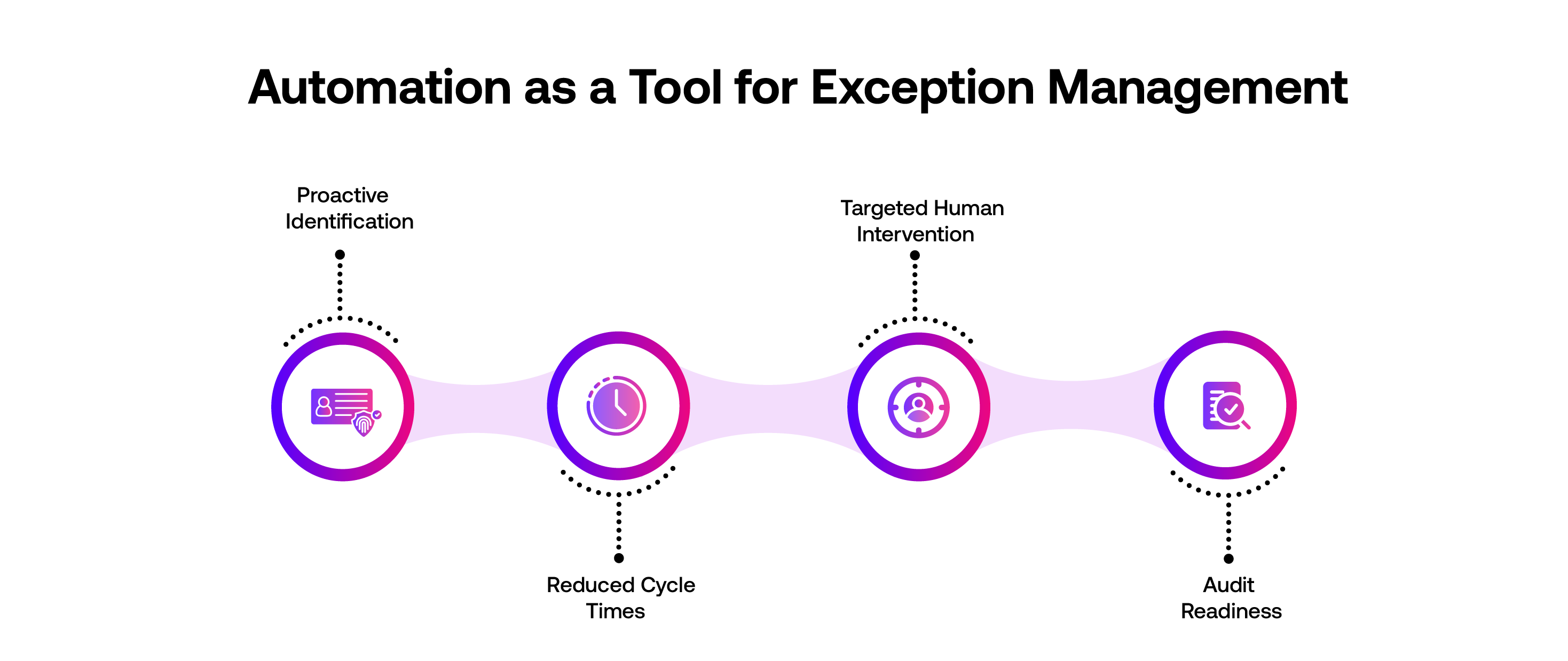
Automation as a tool for exception management
One of the most significant benefits of automation is its ability to highlight issues rather than hide them. By automating the "standard" path for 95% of a portfolio, servicing teams can focus entirely on the exceptions that carry the most operational risk.
- Proactive Identification: Automation flags discrepancies in real-time, allowing teams to address borrower issues before they escalate into compliance failures.
- Reduced Cycle Times: Processes like escrow analysis that once took ten days are now being compressed into as few as two days, thanks to system-led logic.
- Targeted Human Intervention: Experts are no longer bogged down by repetitive data entry; they are empowered to handle complex loss mitigation and high-touch borrower relationships.
- Audit Readiness: Every automated action creates a digital fingerprint, making it easier to provide regulators with proof of consistent, compliant servicing.
Supporting long-term portfolio stability
For owners of mortgage servicing rights, the priority is always portfolio oversight that protects the asset's value. In a market where interest rates and prepayments can fluctuate, having a stable, automated operational foundation is a competitive necessity.
When servicing is handled through disciplined, system-led workflows, the risk of "operational drift" where small manual errors compound over time is virtually eliminated. This consistency not only reduces the cost-to-serve but also makes the MSR asset more attractive to secondary market investors who prioritize data integrity and transparency.
Strengthening MSR servicing and operations
Visionet offers comprehensive Mortgage Servicing & Operations solutions designed to improve efficiency while significantly lowering operational risk. Their approach centers on transforming servicing from a traditional cost center into a streamlined, profit-driving engine. By leveraging advanced AI-enabled platforms and intelligent document processing, Visionet helps MSR owners automate the heavy lifting of data validation and compliance monitoring. Their managed services model is built for scalability, allowing organizations to manage fluctuating portfolio volumes without compromising quality or borrower experience. Whether it is through enhancing retention strategies or streamlining escrow management, Visionet provides the technological backbone needed to maintain long-term portfolio stability.
Path forward
The goal for MSR leaders is to build operations that are resilient and scalable. Automation is the key to this transition, not by replacing human judgment, but by providing the structure and data clarity that human teams need to succeed. The future of servicing belongs to those who use technology to simplify their processes, reduce their risks, and focus on the long-term health of their portfolios.
Ready to move from insight to action?
Whether you’re exploring new opportunities, solving operational challenges, or planning your next stage of growth, Visionet can help you move forward with clarity and confidence.
Speak with our experts to explore how we can support your business goals.