





Listen to this blog
The mortgage industry is currently witnessing a production-grade shift in how loans are processed and managed. According to a February 2026 report by CX Today, major financial institutions are moving past simple "copilots" toward "agentic AI" systems that don't just suggest actions but actually execute them within core processes. For example, at organizations like Lloyds Banking Group, income verification for mortgages has transitioned from a process that once took days to one that now takes mere seconds.
The focus has shifted from the novelty of the technology to the reality of operational outcomes. AI is no longer a standalone tool; it is becoming the digital infrastructure that connects every phase of the mortgage lifecycle.
From task automation to outcome management
In the recent past, AI was often used for isolated tasks, such as reading a single document or flagging a missing signature. While helpful, this didn't solve the broader problem of fragmented workflows. In 2026, the industry is embracing intelligent mortgage automation that understands the broader context of a loan file.
Instead of waiting for a human underwriter to spot an inconsistency in a bank statement deep into the process, AI agents now identify these exceptions at the moment of intake. By moving risk identification to the very beginning of the journey, lenders can resolve issues while the borrower is still actively engaged. This proactive approach ensures that teams aren't wasting time on "rework" and can instead focus on moving "clean" files toward a faster closing.
Strengthening collaboration and consistency
One of the most significant changes is how AI facilitates a more coordinated approach across the mortgage lifecycle. To address the historical "stare and compare" culture that drained resources, AI now acts as a unifying layer:
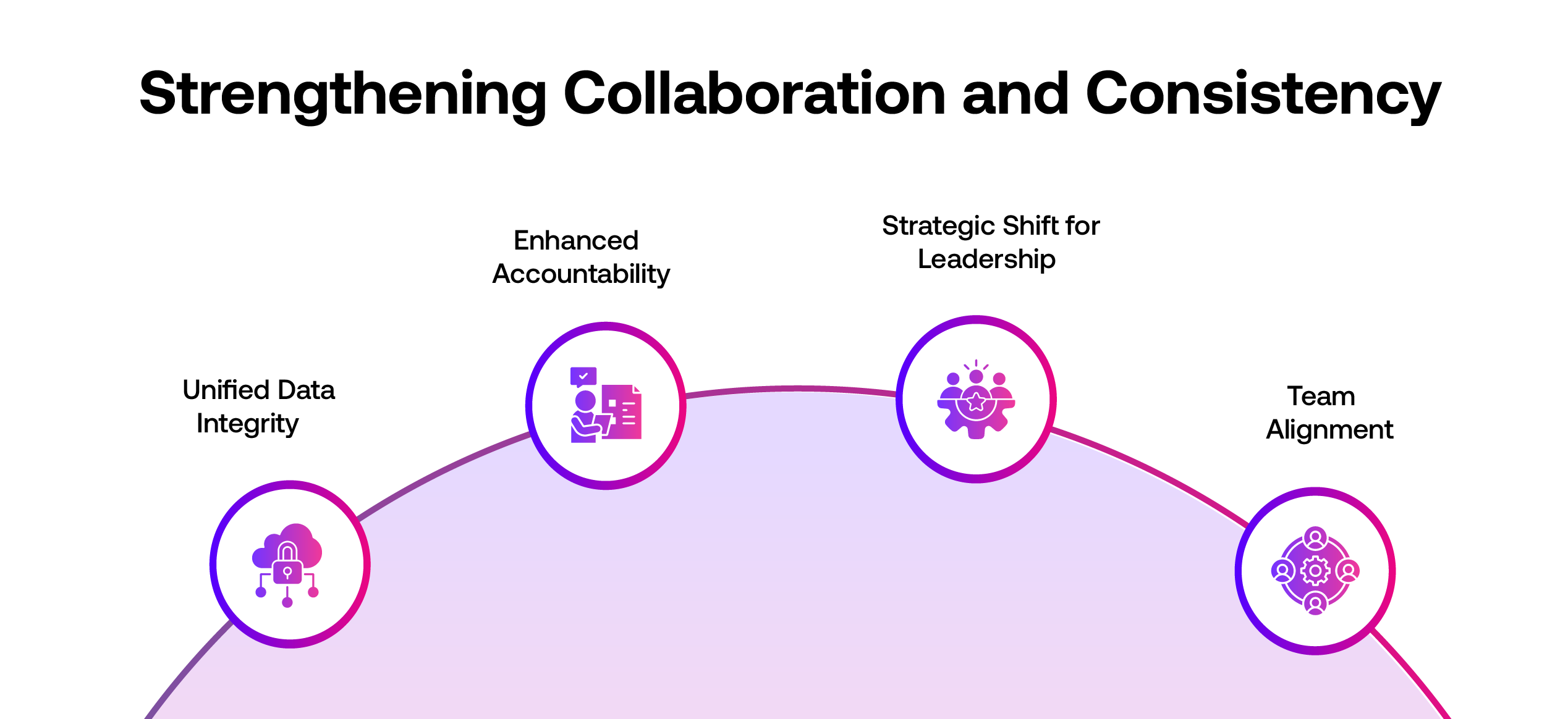
- Unified data integrity: AI ensures that data is verified a single time at the start of the process, maintaining consistency as the file moves from the loan officer to the underwriter.
- Enhanced accountability: When the system flags a risk or prioritizes a task, it provides a transparent "reasoning trail," making it clear why specific decisions were made.
- Strategic shift for leadership: By removing the need for constant manual oversight, managers can pivot toward high-level strategic decision-making.
- Team alignment: Automated workflows keep every department focused on the same critical priorities, eliminating the "lost in translation" errors of the past.
Predictable performance in a digital era
As mortgage volumes stabilize, the real winners are those who can provide predictable operational performance. It is no longer enough to be fast; you have to be consistently accurate. By integrating AI into end-to-end mortgage workflows, lenders are reducing the cost per loan and virtually eliminating the "second touches" that once slowed down the pipeline.
Furthermore, this systematic approach reinforces compliance. With regulations becoming more data-intensive, having an AI-driven audit trail for every action taken on a loan file isn't just a benefit, it’s a necessity. It ensures that every loan is manufactured to the same high standard, protecting the institution from long-term risk and improving the reliability of the assets being produced.
Excellence in mortgage business process services
Visionet provides enterprise-grade solutions that combine deep mortgage domain expertise with advanced AI-powered platforms. Their approach to Business Process Services (BPS) is designed to help lenders achieve scalable growth through intelligent automation and a focus on data integrity. With proprietary technology like DocVu.AI, Visionet enables the seamless extraction and validation of data, ensuring that workflows are not only faster but also significantly more accurate. By offering flexible delivery models, ranging from onshore to offshore and hybrid configurations, Visionet helps mortgage organizations optimize their costs while maintaining the high quality and accountability required in today’s market.
Path forward
The mortgage industry has entered a period of mature digital transformation. The goal is no longer to automate for the sake of automation, but to use AI to build a more resilient, transparent, and coordinated operational model. By focusing on how technology can support human expertise rather than replace it, lenders are creating a future where the path from application to homeownership is smoother for everyone involved.
Ready to move from insight to action?
Whether you’re exploring new opportunities, solving operational challenges, or planning your next stage of growth, Visionet can help you move forward with clarity and confidence.
Speak with our experts to explore how we can support your business goals.